



Oilskin – Silkwax
Oilskin is designed to protect you when you’re out in the elements. To ensure it continues to do so, it’s important to care for it properly.
With the right care, your waxed oilskin garment can last for decades. By maintaining your garment correctly, you can preserve both its performance and timeless aesthetic, even when exposed to harsh conditions. To achieve this longevity, we recommend spotcleaning and reproofing your jacket on an annual basis or when needed.
- Always store your oilskin garment in a cool, dry, well-ventilated area. Damp, enclosed spaces like musty cupboards, and closed synthetic garment bags encourage moisture buildup.
- Washing machines, dry cleaners and detergents are not suitable for cleaning your oilskin garments. Water and detergent will remove the oil and wax that is vital to the garment’s waterproof protection.
- How often you need to reproof your jacket depends on how frequently it is worn. As a general guideline, we strongly recommend reproofing once a year to ensure the wax coating retains its water- and windproof qualities.
- Please note that waxed garments may shed excess wax. This can stain or damage other fabrics.
If your oilskin becomes lightly stained, gently brush off any dirt or wipe clean with a damp cloth or soft sponge.
- Gently brush off any dirt or dust using a soft-bristled brush or cloth.
- Prepare a solution of ⅓ white vinegar and ⅔ water.
- Apply the solution using a spray bottle while brushing the garment with a soft brush.
- Let the vinegar solution sit on the fabric for ten minutes.
- Ensure all accessible areas of the oilskin are cleaned.
- Hang the garment, spray with clean water, and allow it to air dry in a well-ventilated area.
- If applicable, turn the collar up to prevent moisture or mould forming underneath.
- Once completely dry, follow the reproofing steps outlined below.
- (Steps 1-7) These steps may also be applied to the inside lining. If you clean the pocket linings, ensure they are turned out to allow thorough drying.
If your oilskin garment becomes heavily dirty, hand wash the entire garment in cold water only. Hang to dry and allow it to dry thoroughly. After deep cleaning, the entire garment and outer layer will need to be re-waxed to restore wind and water resistance.
Rewaxing your oilskin garment may temporarily alter its appearance. Lighter-coloured garments may appear darker or develop a slight sheen until excess wax naturally wears off. Watch video guide here.
You will need:
- A tin of wax (we recommend Halley Stevensons EverWax reproofing wax)
- A bowl of hot water
- A soft cloth or sponge
Please note: for larger jackets, expect to use one full tin of wax per garment.
Start with a clean, dry coat:
- Gently brush off any dirt or dust using a soft-bristled brush or cloth.
- If your garment features a corduroy collar, turn the collar up and pay particular attention to the underside, as this area is often missed during reproofing. If your jacket has turned-up sleeves, turn these down before you begin.
- Place the tin of wax in hot water until fully softened. The wax should change from firm to liquid; this may take up to 20 minutes. It will change from solid white to translucent.
- Work the wax thoroughly into the garment using a soft cotton cloth or dishcloth.
- Pay close attention to seams, creases and dry areas.
- Rub the wax in well – do not paint it on.
- Avoid using excess wax. Ensure all areas are evenly saturated, but not over-waxed.
- For a “factory” finish, gently warm the surface evenly using a hairdryer after reproofing.
- Hang the garment and allow it to air dry in a well-ventilated area.
- If applicable, ensure the collar is turned up to prevent moisture buildup or mould forming underneath.
- If the garment feels oily once dry, gently wipe with a clean cloth to remove excess wax.
After reproofing, keep the garment away from other garments and upholstered surfaces. Newly waxed garments may release excess wax, which can transfer to and stain or damage other fabrics and materials.
Watch video guide here.
Oilskin – Hybrid
With the right care, your waxed oilskin garment can last for decades. By maintaining your garment correctly, you can preserve both its performance and timeless aesthetic, even when exposed to harsh conditions. To achieve this longevity, we recommend spotcleaning and reproofing your jacket on an annual basis or when needed.
- Always store your oilskin garment in a cool, dry, well-ventilated area. Damp, enclosed spaces like musty cupboards, and closed synthetic garment bags encourage moisture buildup.
- Washing machines, dry cleaners and detergents are not suitable for cleaning your oilskin garments. Water and detergent will remove the oil and wax that is vital to the garment’s waterproof protection.
- How often you need to reproof your jacket depends on how frequently it is worn. As a general guideline, we strongly recommend reproofing once a year to ensure the wax coating retains its water- and windproof qualities.
- Please note that waxed garments may shed excess wax. This can stain or damage other fabrics.
If your oilskin becomes lightly stained, gently brush off any dirt or wipe clean with a damp cloth or soft sponge.
- Gently brush off any dirt or dust using a soft-bristled brush or cloth.
- Prepare a solution of ⅓ white vinegar and ⅔ water.
- Apply the solution using a spray bottle while brushing the garment with a soft brush.
- Let the vinegar solution sit on the fabric for ten minutes.
- Ensure all accessible areas of the oilskin are cleaned.
- Hang the garment, spray with clean water, and allow it to air dry in a well-ventilated area.
- If applicable, turn the collar up to prevent moisture or mould forming underneath.
- Once completely dry, follow the reproofing steps outlined below.
- (Steps 1-7) These steps may also be applied to the inside lining. If you clean the pocket linings, ensure they are turned out to allow thorough drying.
If your oilskin garment becomes heavily dirty, hand wash the entire garment in cold water only. Hang to dry and allow it to dry thoroughly. After deep cleaning, the entire garment and outer layer will need to be re-waxed to restore wind and water resistance.
Rewaxing your oilskin garment may temporarily alter its appearance. Lighter-coloured garments may appear darker or develop a slight sheen until excess wax naturally wears off. Watch video guide here.
You will need:
- A reproofing spray - Halley Stevensons Original Wax Reproofing Spray 200ml
- A soft cotton cloth or dishcloth
Start with a clean, dry coat:
- Gently brush off any dirt or dust using a soft-bristled brush or cloth.
- If your garment features a corduroy collar, turn the collar up and pay particular attention to the underside, as this area is often missed during reproofing. If your jacket has turned-up sleeves, turn these down before you begin.
- Shake the spray well, and apply it in a smooth movement evenly from a distance of 10-15 cm.
- Work the wax thoroughly into the garment using a soft cotton cloth or dishcloth dampened with wax spray.
- Pay close attention to seams, creases and dry areas.
- Avoid using excess wax. Ensure all areas are evenly saturated, but not over-waxed.
- Hang the garment and allow it to air dry in a well-ventilated area.
- If applicable, ensure the collar is turned up to prevent moisture buildup or mould forming underneath.
- If the garment feels oily once dry, gently wipe with a clean cloth to remove excess wax.
After reproofing, keep the garment away from other garments and upholstered surfaces. Newly waxed garments may release excess wax, which can transfer to and stain or damage other fabrics and materials.
Watch video guide here.
Denim
Denim is a truly unique and durable material, and its patina tells the story of the life lived in it. With gentle care, your aiayu denim can last beyond seasons, developing its own character through natural creases and folds shaped by everyday wear.
You can wash your denim, but a few simple considerations will help preserve its character. Wash at 30°C (and consider whether each wash is necessary), using a gentle detergent without bleach. Turn the jeans inside out and wash alone or with similar colours, as the dye may bleed.
Avoid tumble drying; instead, let the denim air dry to prevent shrinkage. Place the wet garment on an old towel to absorb excess water.
Hang or fold your denim with care, avoiding tight folds that may leave lasting creases. Store away from direct sunlight to help preserve colour and character over time.
Our deep (Mid Blue) denim has only been gently washed to keep it close to raw. As a result, colour transfer may occur. We recommend avoiding contact with light-coloured textiles and surfaces.
Knitwear
Our knitwear is made from carefully selected natural fibres, valued for their comfort, breathability and durability. With the right care, these qualities are preserved over time – maintain the fibres softness, shape and longevity of each piece.
Generally, it is not necessary to wash knitwear after each wear because most wools are naturally self-cleaning. Wool fibres have a unique structure that repels dirt and odours, allowing them to stay fresh for longer periods. The natural lanolin present in wool also acts as a protective barrier against bacteria and stains, reducing the need for frequent washing.
This self-cleaning property helps maintain the quality and longevity of the knitwear while minimising the wear and tear caused by repeated laundering. If you do want to wash it, we recommend hand washing in cold water using a natural wool wash. Then, roll the sweater in a clean towel to absorb excess water before laying flat to dry. Alternatively, using a good washing machine with a delicate, hand-wash or wool setting with a maximum temperature of 30°C on a gentle or no cycle. Don’t go above 30°C as the wool is likely to felt. Remove promptly and dry flat. Avoid wringing or twisting the fabric, as it can cause fibres to break and pill.
We don’t recommend dry cleaning knitwear as the chemicals can damage and weaken wool.
A little pilling is normal for fine and delicate fibres which makes them more susceptible to friction such as cashmere. When the fibres rub against each other or against other surfaces, they can break and form small balls of fibres known as pills. The cashmere fibres are also relatively shorter compared to other materials and tend to work their way out of the yarn more easily, leading to pilling. To minimise friction avoid wearing your knitwear under coats or jackets made of rough materials. Be mindful of bags or accessories that may rub against the fabric.
If pilling occurs for smaller areas and lighter pilling, use a cashmere comb to gently brush away pills or use a lint roller. However, manually picking off pills with your fingers is the safest option. If you want to use a fabric shaver, be careful to avoid damaging the fabric.
To eliminate wrinkles from your knit, flip it inside-out and lay flat. Set the iron to the lowest heat setting and place a damp cloth between the iron and the knitwear to avoid direct contact. You can also use a hand-held steamer but make sure to keep some distance between the hot face and the garment.
Knitwear is best stored folded in a drawer or shelf space. Hanging will risk it losing its shape. Cedar wood balls or cotton balls with drops of lavender are great as natural repellent to moths.
Prolonging the life of textiles through proper care and repair, rather than replacement, is one of the most efficient ways to reduce the textile industry's environmental impact and preserve natural resources. When done correctly, a good repair can breathe new life into an item and shift perception that tears, holes, and other imperfections diminish the value of finely crafted pieces.
Learn more about our repair service.
aiayu x corali
The aiayu x corali buttons are designed to be sewn on and removed as you wish. A small yet precious adornment, worn close to the body like jewelry. To ensure the longevity and beauty of your button, please follow our sew-on guide and care instructions.
Designed to be worn, removed, and reimagined over time, each aiayu x corali button can be sewn onto your favourite aiayu pieces by hand at home.
Here is our guide to sewing on your aiayu x corali button.
What you'll need:
- Sewing thread in the same colour as your garment
- A sewing needle
How to sew on your aiayu x corali button:
1. Thread the string through the hole of the button.
2. Pull the thread through until doubled, then cut to the desired length.
3. Thread the needle using the doubled thread.
4. Starting from the front side of the garment, guide the needle through the fabric to the inside.
5. Bring the needle back through to the front, through the buttonhole, and down through the fabric again.
6. Repeat this movement 5–6 times, finishing with the needle beneath the button on the front side.
7. Wrap the thread tightly around the stitches beneath the button a few times to create a small shank.
8. Guide the needle through the thread shank as close to the fabric as possible.
9. Secure with a knot by passing the needle through the small loop that forms, then pull gently tight.
10. Trim any excess thread.
A small adornment, now ready to wear.
We recommend delicate dry cleaning for garments with aiayu x corali buttons attached. If your garment needs to be washed, we recommend removing/detaching the button beforehand.
To ensure the longevity and beauty of your aiayu x corali button, polish it regularly with a microfiber cloth to remove dirt and tarnish, and avoid activities that may scratch or damage the surface.
Read more
Reproofing
With proper care, your waxed oilskin garment can last for decades, retaining its performance and timeless look even in harsh conditions.
Watch video guide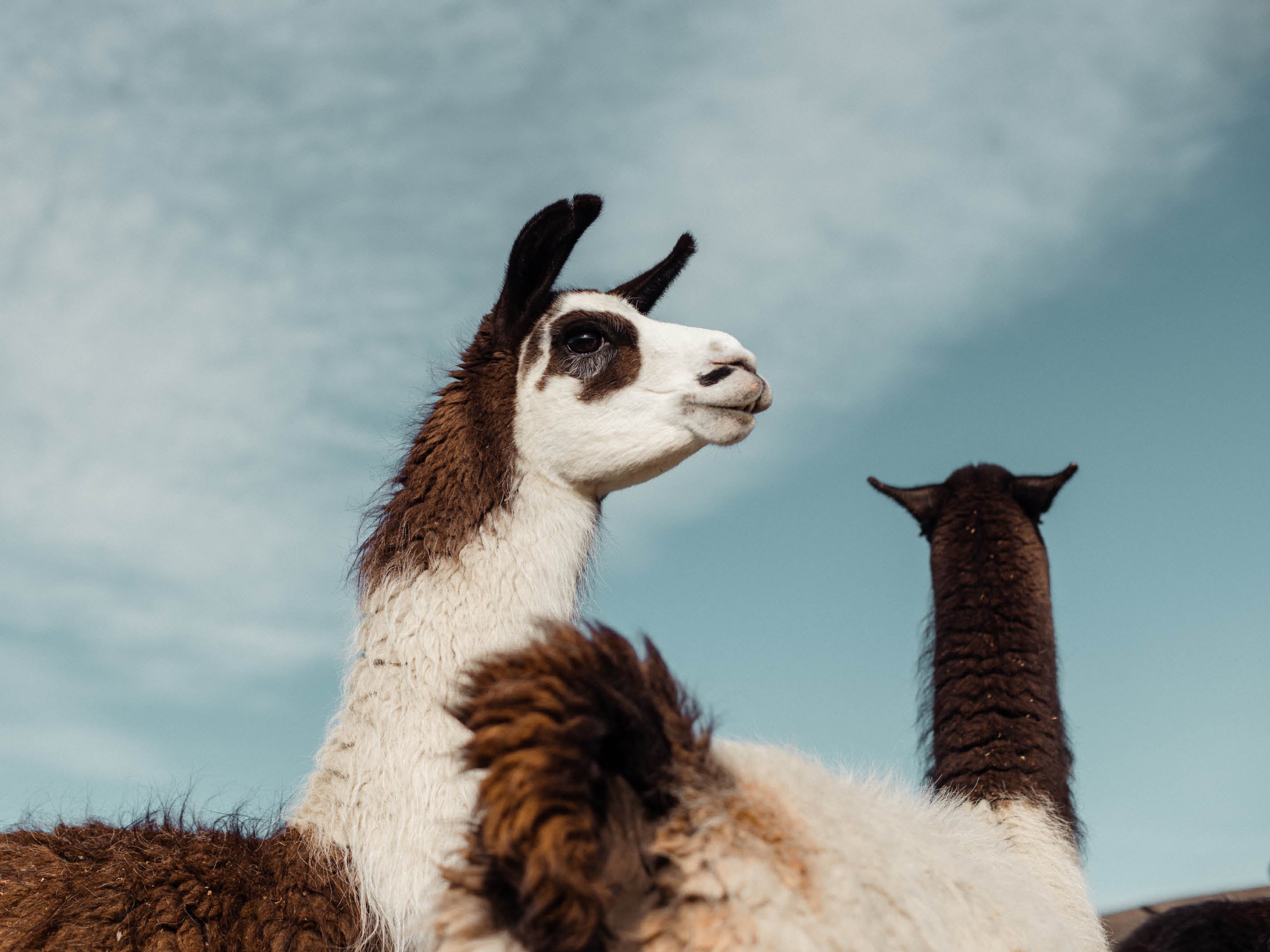
Material library
Our material library is an in-depth resource for exploring the unique properties of each fiber, offering insights into how their attributes enhance the creation of aiayu collections.
Read more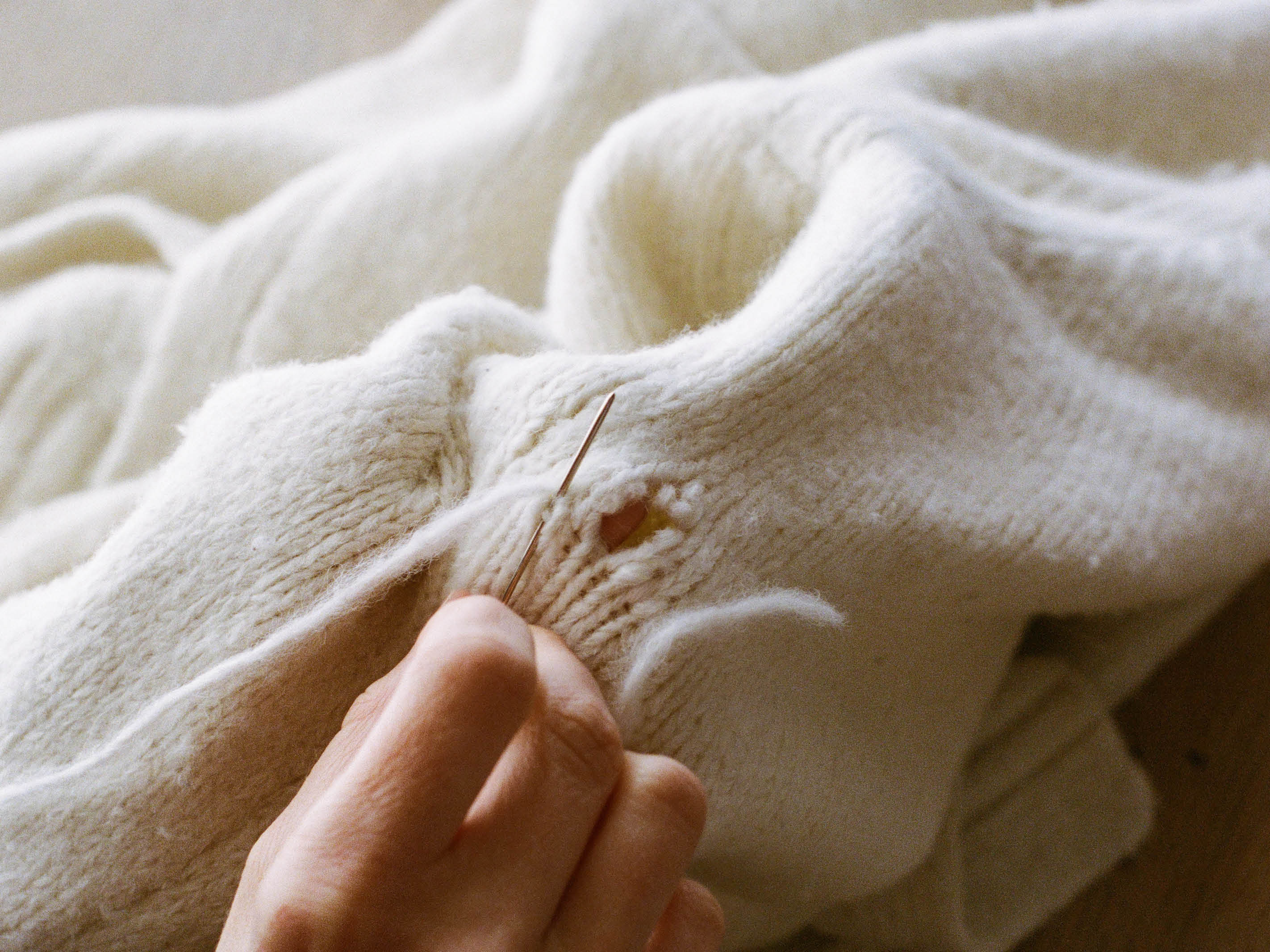
Repair service
Prolonging the life of textiles through proper care and repair, rather than replacement, is one of the most efficient ways to reduce the textile industry's environmental impact and preserve natural resources.
Read more